Expert: Black Communities Are Organizing to Protect the Midterm Vote
October 19, 2026
As fears of voter suppression and intimidation cast a shadow over the 2026 midterm elections, Black Americans are returning to the networks of protection they built during the Jim Crow era. Backed by civil rights leader Rev. Al Sharpton, the Vote Safe coalition is launching an initiative to help voters feel safe casting their ballots, particularly in communities where the Trump administration has threatened to deploy federal agents to monitor elections.
The Root spoke with Mary Corcoran, the Co-Founder and Executive Director of The Save America Movement, about how Vote Safe plans to protect voters, why it is targeting four states, and what it means to carry forward a generations-old tradition of Black communities protecting their own when the institutions entrusted with their safety fall short.
“There’s been negligence in intentional, non-transactional engagement in Black, Latino, Asian communities,” Corcoran told us in an exclusive interview. “They’ve been taken for granted.”
The coalition hopes to address those gaps by putting trusted community members at polling places and building relationships that can outlast the election. Its launch comes amid concerns about the chilling effect federal immigration enforcement could have on voters.
It would be illegal for the administration to send armed federal agents to the polls; however, that hasn’t stopped the president from suggesting the practice could be “necessary” for election security. During a national press call announcing Vote Safe’s polling-place initiative, Rev. Al Sharpton explained why voters’ fears surrounding ICE enforcement must be taken seriously.
“I’ve never seen in the decades I’ve been involved more fear and apprehension among voters, both Republican, Democrat, Independent, left wing, right wing, that I’m seeing now because of the threat of ICE,” Sharpton, president of the National Action Network, said.
We’ve previously reported on the Trump administration’s efforts to expand immigration enforcement. Those actions have fueled fear among voters. “People are afraid they’ll be snatched up and deported and have to prove after the fact that they’re not in violation of immigration law,” Sharpton added. “It’s almost like you’re guilty until you’re proven innocent, and that fear is real.”
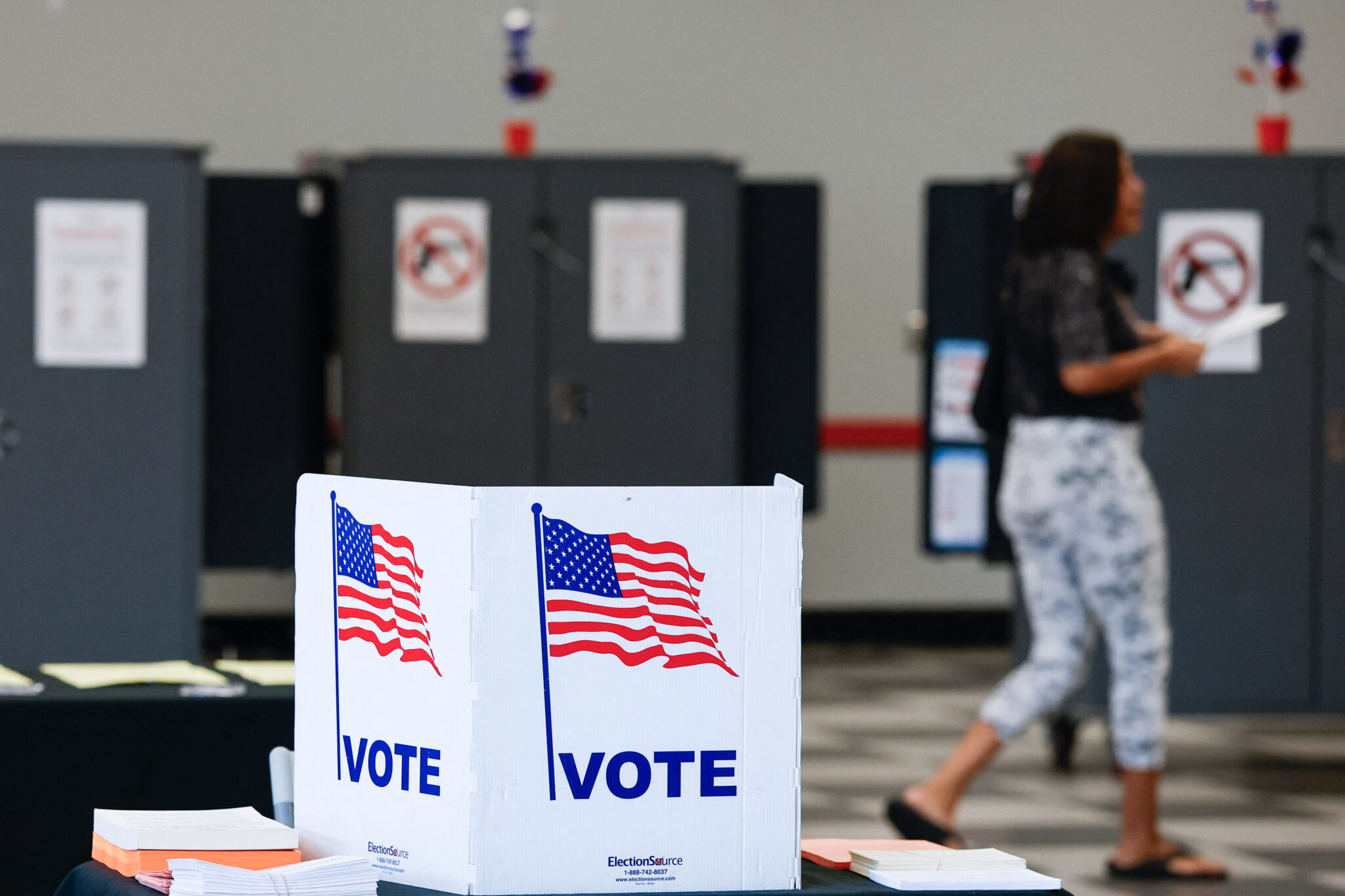
Vote Safe plans to deploy trained community members at polling places in select counties across Ohio, Georgia, Michigan and North Carolina. Volunteers, including clergy, veterans and residents, will support voters, document potential intimidation and help ensure people feel safe exercising their rights. They will receive training in de-escalation and documentation, with reports of concerning incidents shared with appropriate authorities or the press when warranted.
“The main thread of this program is ensuring that people feel supported and safe at the polls because their community is there and they’re bearing witness to their experience,” Corcoran told us.
The effort grew out of earlier organizing, including Operation Liberty, which focused on communities affected by Immigration and Customs Enforcement operations. As organizers considered how to respond to concerns about ICE, Vote Safe emerged as a way to connect election protection. After discussing the idea with Sharpton about the initiative’s direction, the civil rights icon jumped on board.
“He totally got it, and wanted to work with us on it,” Corcoran said.
The approach echoes a long history of Black communities organizing against voter suppression, from Jim Crow-era disenfranchisement to grassroots campaigns for voting rights during the civil rights movement. For Corcoran, the goal is to build trust that lasts beyond the midterms.
“If it’s going to be successful, [civic engagement] cannot be transactional,” she added. “That engagement and communication and earning kind of earning trust through that is the beginning of a conversation, not the end.”
Early voting has begun in several states across the map. Now, Corcoran is encouraging everyone to make a plan to vote, bring friends, check on neighbors and connect with local civic organizations.
“What we’ve found over the last year is that there’s a lot of power in community, and that courage becomes contagious in the context of community,” she said.